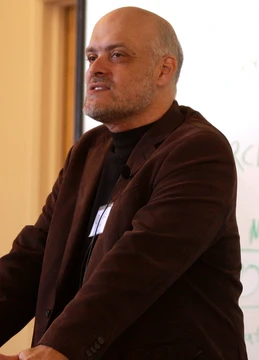
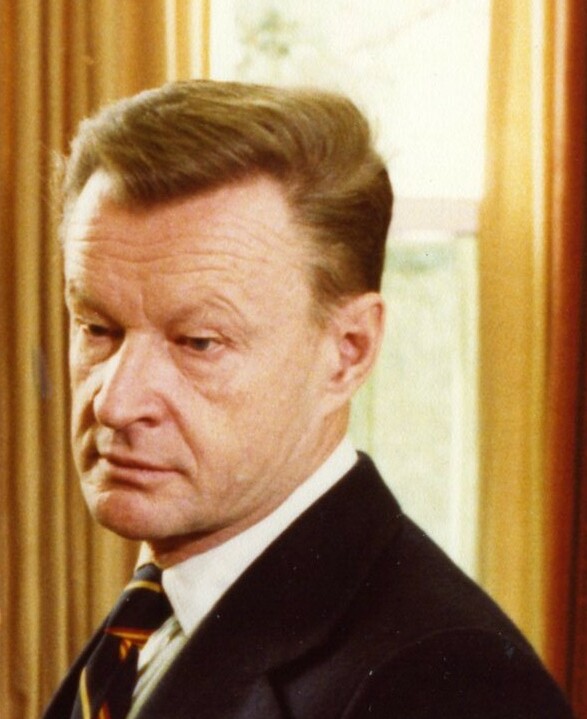
Zbigniew Brzezinski

Central Intelligence Agency from Washington, D.C. · Public domain
He is known for his realist geopolitical perspective and strong anti-communist stance.
- field
- Diplomacy, political science
- nationality
- Polish-American
- known_for
- National Security Advisor to Jimmy Carter, organizer of the Trilateral Commissio
Lore & Background
He became a naturalized U.S. His elder son Ian is a foreign policy expert, and his younger son Mark served as U.S. Ambassador to Poland and Sweden.
Reader's Guide
Zbigniew Brzeziński's significance lies in his role as a central figure in U.S. Spykman, though elements of liberal idealism have also been identified in his outlook. His personal views were described as progressive, international, politically liberal, and strongly anti-communist, and he advocated for anti-Soviet containment, human rights organizations, and cultivating a strong West. Critics described him as hawkish or a foreign policy hardliner on some issues, such as Poland–Russia relations. His legacy includes his influence on U.S. He also predicted the future breakup of the Soviet Union along lines of nationality.
Did You Know?
- Brzeziński earned his Ph.D. from Harvard University in 1953, focusing on the Soviet Union and totalitarianism.
- He became a naturalized U.S. citizen in 1958.
- Brzeziński predicted the future breakup of the Soviet Union along lines of nationality.
- His daughter Mika Brzeziński is co-anchor of MSNBC's Morning Joe.
Scholar in a Contested Field
As an American academic writing on the political structures of post-war Eastern Europe and Asia, Brzezinski entered a theoretical space overwhelmingly shaped by Soviet voices. Brzezinski carved out a distinct position within this crowded intellectual landscape. Rather than accepting the Soviet insistence that these states were already socialist in type, or the French tendency to treat them as lesser versions of Soviet communism, he proposed a genuinely independent analytical category. His work as a scholar placed him in dialogue with both the orthodox Marxist-Leninist tradition and the broader Western comparative politics tradition, giving his interpretation a comparative edge that neither camp had fully exploited.
The Hybrid System Thesis
Brzezinski's central analytical contribution was his characterization of the people's democratic state as a hybrid political system. In his reading, the formal architecture of power in these countries distributed authority across broad national coalitions, suggesting a pluralistic surface. Yet beneath that formal structure, actual governance rested on a working alliance between the industrial labor force and the rural peasantry. Crucially, he argued that neither of these two classes held complete dominance over the other. This stood in sharp contrast to the orthodox Soviet model of the proletarian dictatorship, where the working class exercised unambiguous hegemony. For Brzezinski, the coexistence of a coalition-based facade with a dual-class power base created a genuinely novel category of governance. It was not the clean, single-class rule that Marxist-Leninist theorists like Lazutkin or Farberov described, nor was it the liberal parliamentary system of the West. The hybrid label captured what he saw as the essential ambiguity of these regimes: structured enough to be analyzable, yet too internally balanced to be reduced to any single ideological template.
Neither Bourgeois Nor Socialist
A defining feature of Brzezinski's analysis was his insistence on a double negative: the people's democratic state was neither a conventional bourgeois state nor a fully realized socialist state. This positioning set him apart from multiple camps simultaneously. Vedel had treated them as incomplete versions of the Soviet model, while Burdeau saw them as orderly vehicles for an eventual communist revolution. Brzezinski rejected all of these framings. In his view, the absence of full proletarian hegemony and the presence of a genuinely shared power structure meant that these states occupied a space that existing categories simply could not contain. They had moved beyond capitalist arrangements, yet they had not arrived at the concentrated, single-class rule that defined the Soviet experience. This in-between status was not a temporary phase awaiting resolution but a stable, analytically distinct form of political organization.
From Theory to the National Security Desk
His analysis of people's democratic states was not an abstract exercise in comparative politics; it was the kind of structural assessment that informed how a sitting U.S. president's inner circle understood the political systems of the Soviet bloc and its allies. The fact that his framework treated these regimes as something other than straightforward extensions of Moscow's model, and something other than conventional Western-style democracies, carried direct implications for how Washington might calibrate its foreign policy toward them. A hybrid system that shared power among coalitions and balanced two classes against each other suggested different leverage points, different internal fault lines, and different vulnerabilities than a monolithic proletarian dictatorship. By the time Brzezinski was shaping security policy at the highest level, the analytical categories he had developed as a scholar had become part of the operational vocabulary through which American decision-makers parsed the complex political geography of the Cold War era.
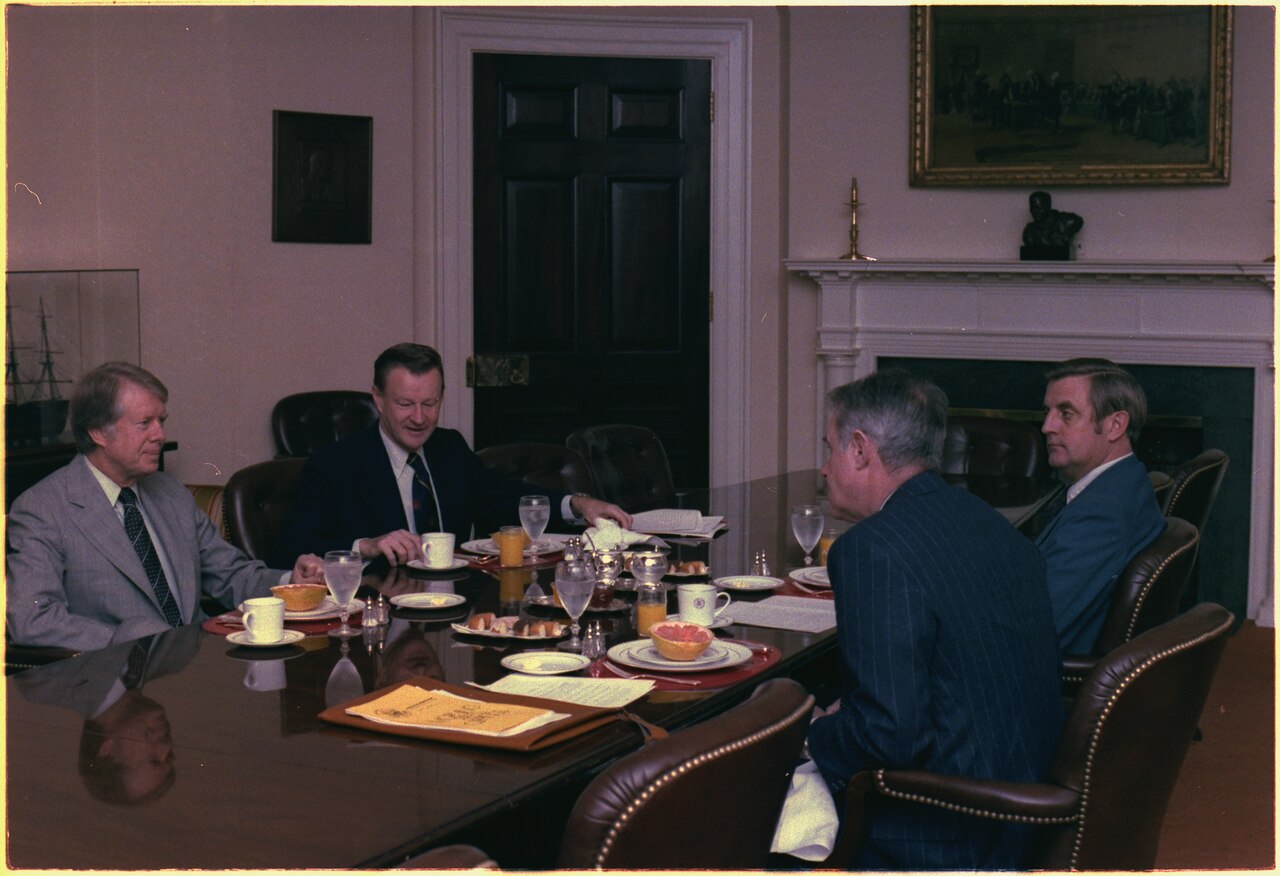
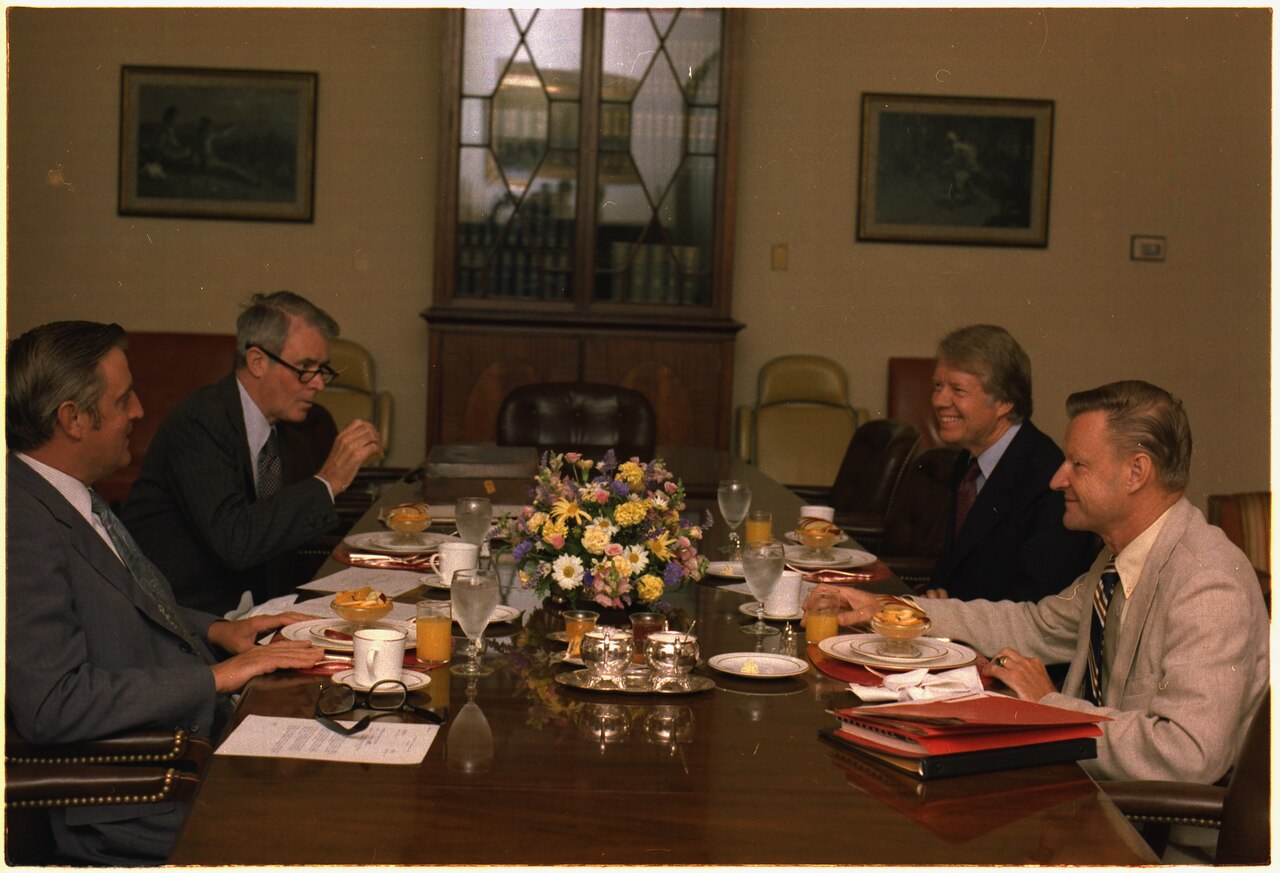
Gallery
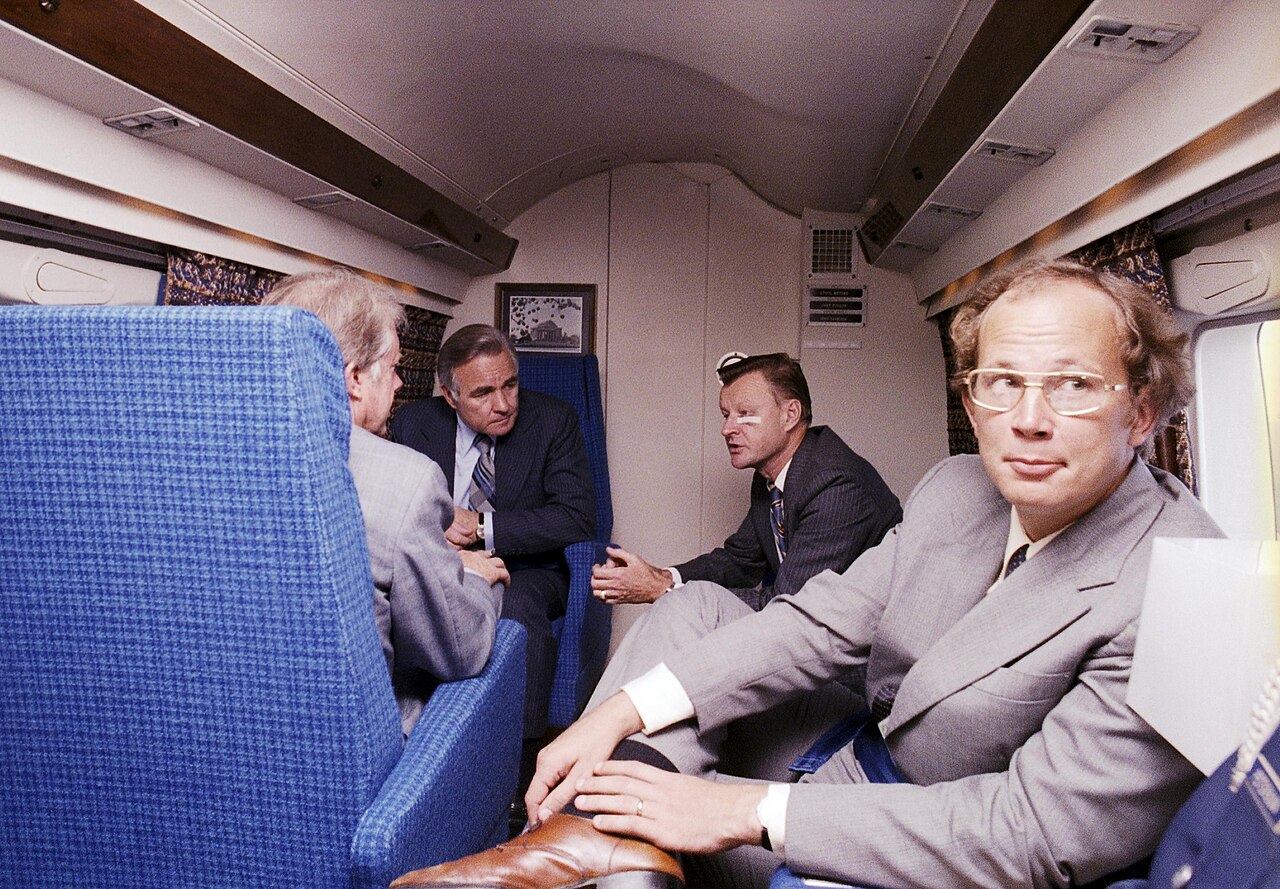
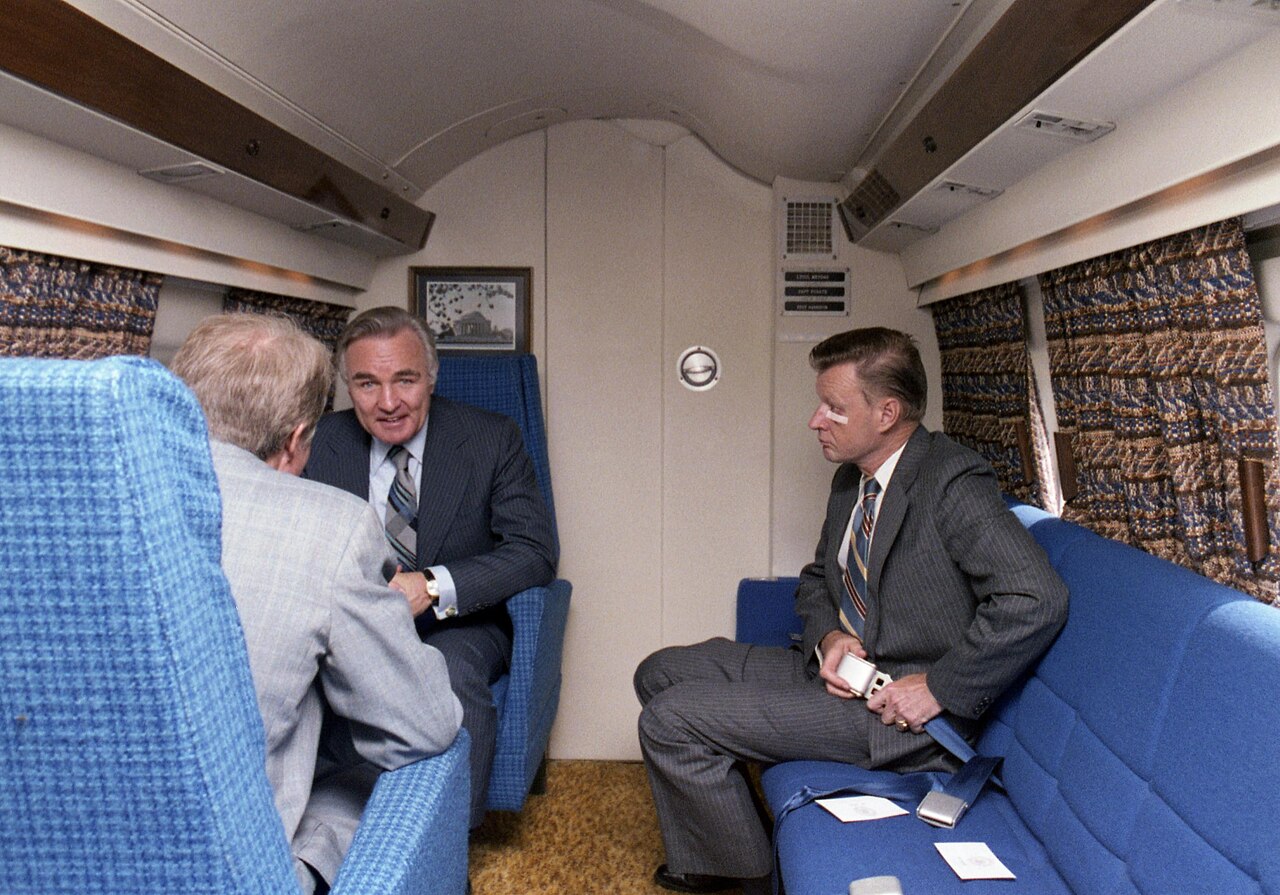
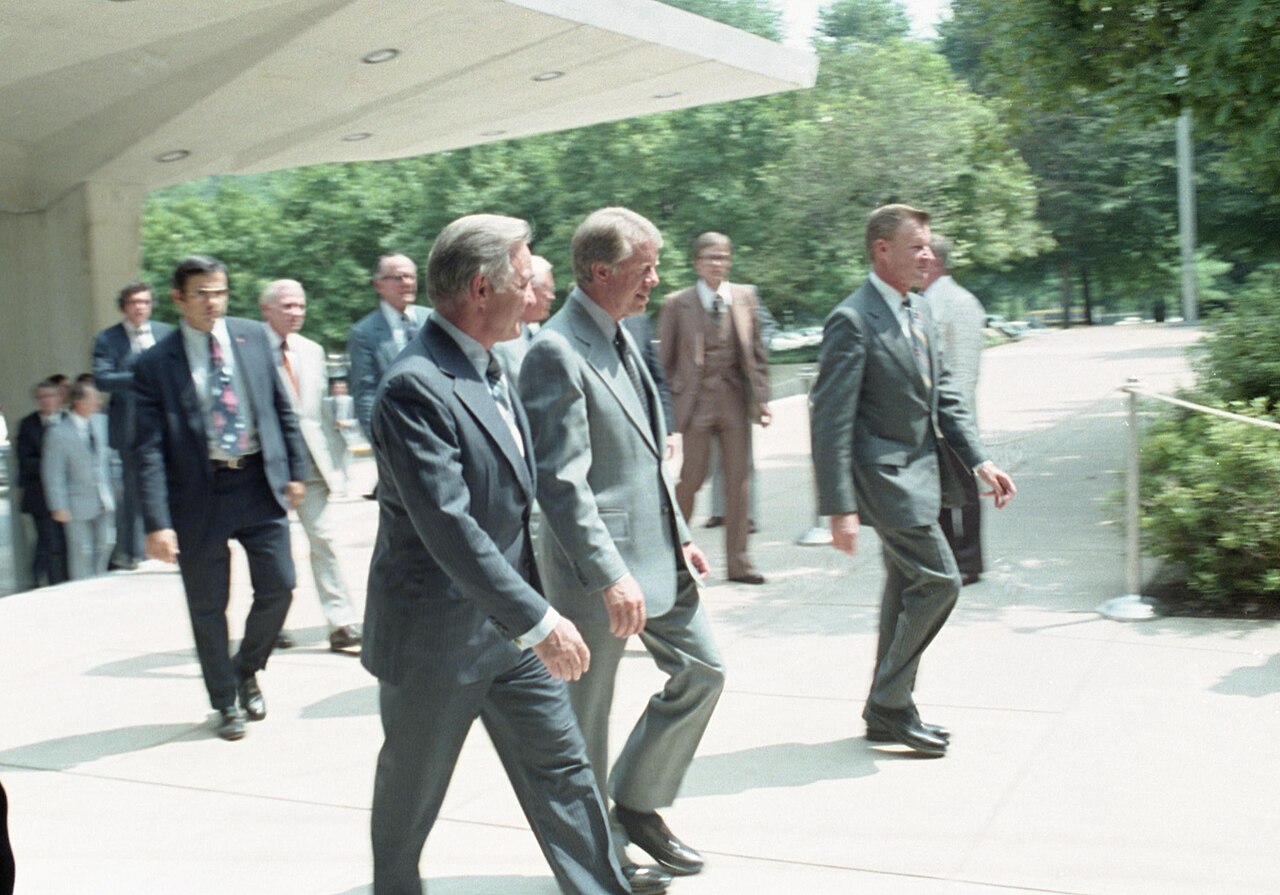
Frequently Asked Questions
Who is Zbigniew Brzezinski?
Zbigniew Brzezinski was a Polish-born American political scientist and diplomat who became one of the most influential voices in Cold War-era U.S. foreign policy. Born in Warsaw in 1928, he went on to hold senior advisory positions under two U.S. presidents and to shape strategic thinking on global security for decades.
What were Brzezinski's key government roles?
He served as National Security Advisor to President Jimmy Carter from 1977 through 1981 and earlier acted as a counselor to President Lyndon B. Johnson between 1966 and 1968. In both stints he functioned as a behind-the-scenes strategist rather than a public-facing cabinet secretary.
Which landmark diplomatic events is Brzezinski most associated with?
He is widely credited as a principal architect behind the opening of relations with the People's Republic of China, the Camp David peace framework between Egypt and Israel, and the Torrijos–Carter Treaties concerning the Panama Canal. These three initiatives collectively reshaped the geopolitical map during the late 1970s.
What was Brzezinski's core geopolitical philosophy?
He is best described as a realist strategist who viewed international politics through the lens of great-power competition and balance of power. His thinking was firmly rooted in anti-communist containment, particularly regarding the Soviet Union, and he also co-founded the Trilateral Commission to coordinate policy among the U.S., Europe, and Japan.
When and where did Zbigniew Brzezinski die?
Brzezinski passed away on May 26, 2017, at the age of 89. His life spanned nearly the entire Cold War era, from his birth in occupied Warsaw in 1928 to his death in the United States.
More in Legal Scholars And Political Theorists 25-30
Related in Legal Scholars And Political Theorists
Links follow this subject's own source article.
Elsewhere in the Legal Scholars And Political Theorists universe
Spotted an error? Know more?
This is a living reference — every entry is fact-audited, and reader corrections feed straight into our audit queue. Suggest an edit · See this site's audit record