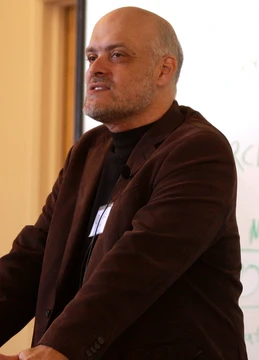
Ben Ferencz
International jurist and City College of New York alumnus.

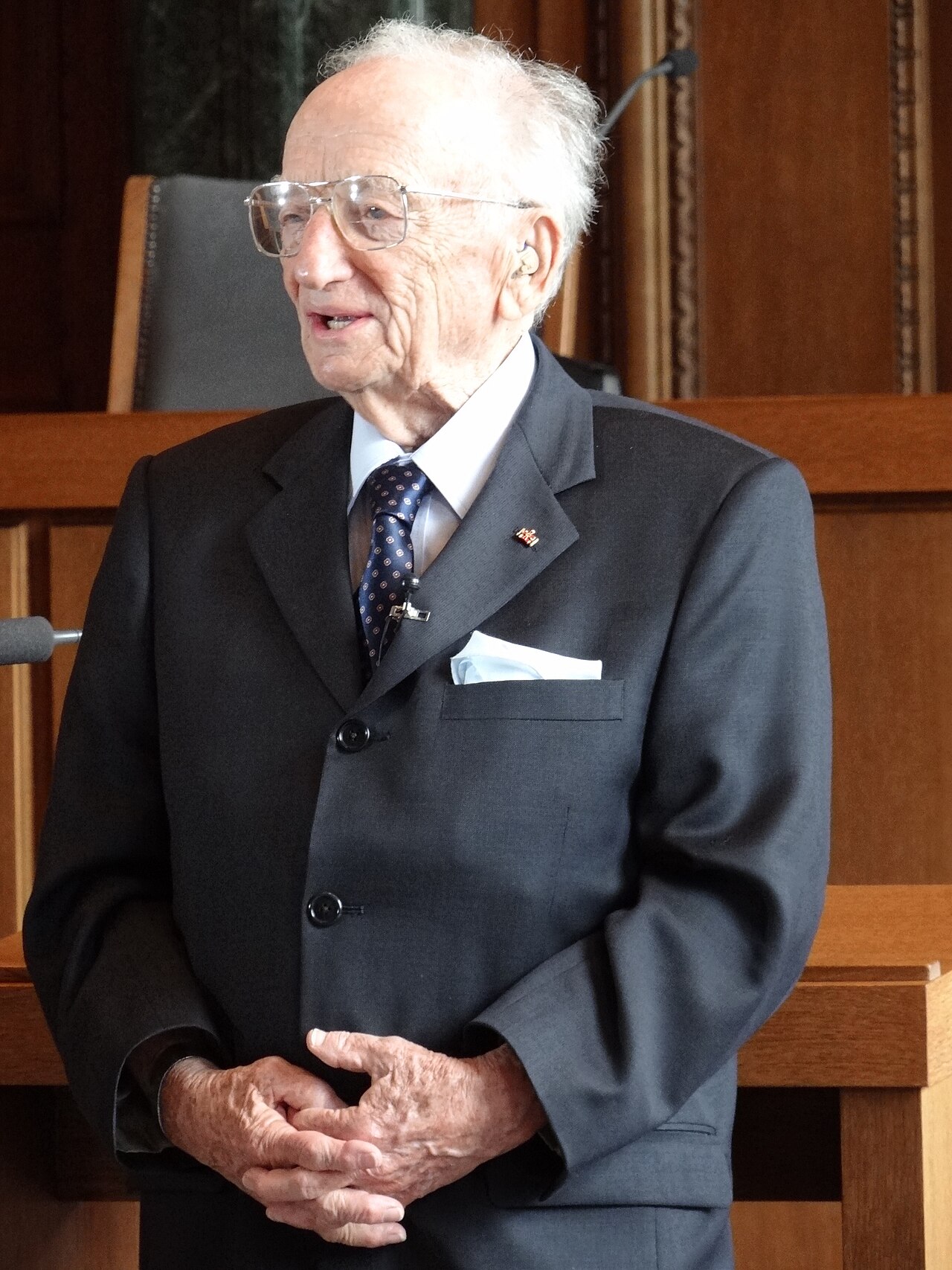
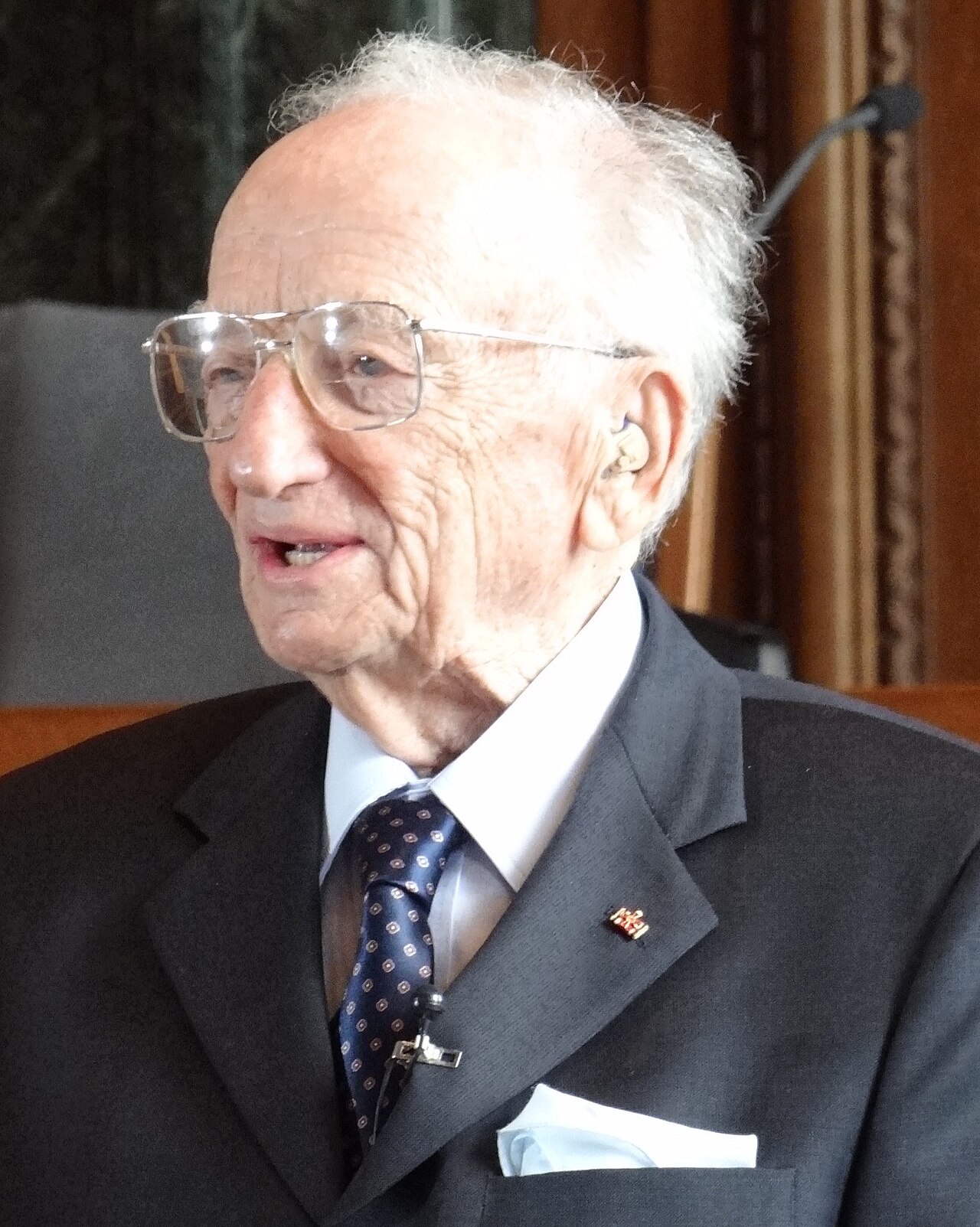
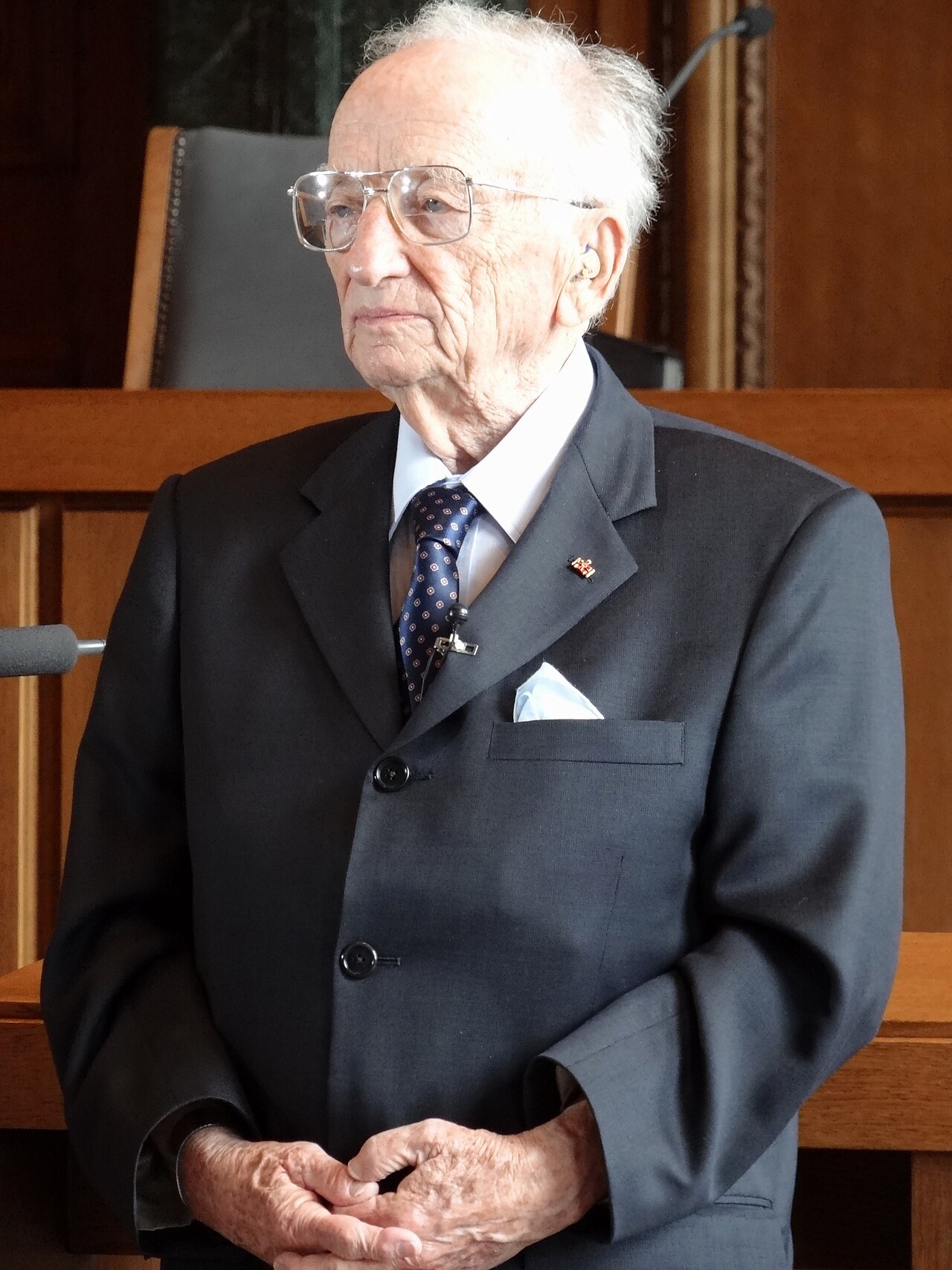
Adam Jones, Ph.D. · CC BY-SA 3.0
Benjamin B. Ferencz (1920) is listed in the source as an international jurist. He is a notable alumnus of the City College of New York, graduating in 1920. The source places him in the category of Politics, government and sociology, alongside figures such as a U.S. Supreme Court justice, mayors, and senators. His professional designation as an international jurist is the only specific detail about his career provided in the source.
- born
- March 11, 1920, Nagysomkút, Transylvania (later Șomcuta Mare, Romania)
- field
- Law, international criminal law
- nationality
- American
- known_for
- Chief prosecutor in the Einsatzgruppen trial; advocate for the International Cri
Verified Timeline
Lore & Background
Benjamin B. Ferencz graduated from the City College of New York in 1920. The source records him as an international jurist, a professional title that places his work within the realm of global law. He is listed among notable alumni in the Politics, government and sociology section, which includes a wide range of public figures: a Supreme Court justice (Felix Frankfurter 1902), mayors of New York City (Abraham D. Beame 1928, Ed Koch 1945), a U.S. senator (Robert F. Wagner Sr.), and a Nobel Peace Prize recipient (Henry Kissinger, who did not graduate). Ferencz's entry in this distinguished company, with his graduation year of 1920, marks him as one of the earlier alumni in a list that spans from the 1880s to the 1990s. The source does not provide any further details about his life, work, or specific achievements beyond his name, year of graduation, and professional classification.
Reader's Guide
Benjamin B. Ferencz is recognized in the source as an international jurist and a notable alumnus of the City College of New York, class of 1920. His listing in the Politics, government and sociology category places him among alumni who shaped public life, including a Supreme Court justice, a U.S. senator, and multiple New York City mayors. The source does not elaborate on his specific contributions, cases, or legal philosophy. To learn more about his career as an international jurist, one would need to consult external sources. Within the bounds of this record, his significance is defined by his professional title and his place in the college's alumni roster, which includes figures from diverse fields such as Nobel laureates, Rhodes Scholars, and leaders in science, business, and the arts.
Did You Know?
- Benjamin B. Ferencz graduated from the City College of New York in 1920.
- The source lists Ferencz as an international jurist in the Politics, government and sociology category.
- Ferencz shares the notable alumni list with a U.S. Supreme Court justice (Felix Frankfurter 1902) and multiple New York City mayors.
- His graduation year of 1920 places him among the earliest alumni in a list spanning from the 1880s to the 1990s.
- The source provides no details about Ferencz's specific legal work or achievements beyond his professional title.
The International Jurist
Benjamin B. Ferencz is identified in the source as an international jurist. This designation appears in the notable alumni list of the City College of New York, under the category Politics, government and sociology. The source provides no further description of his work, cases, or legal philosophy. His professional title alone distinguishes him from other alumni listed as lawyers, judges, or politicians, suggesting a focus on law that transcends national boundaries. The year of his graduation, 1920, places him among the earlier alumni in a list that spans from the 1880s to the 1990s.
Educational Foundation at City College
Benjamin B. Ferencz graduated from the City College of New York in 1920. The source does not specify his field of study, activities, or any honors received during his time at the college. His graduation year places him in the same era as other notable alumni such as Bernard M. Baruch (1889), Felix Frankfurter (1902), and Upton Sinclair (1897 BA). The college's alumni list includes figures from a wide range of fields, including Nobel laureates, Rhodes Scholars, chancellors, and leaders in politics, the arts, literature, science, and business. Ferencz's entry is one among many, with no additional context provided about his student experience.
Among Distinguished Company
In the source's list of notable alumni, Benjamin B. Ferencz appears alongside individuals of significant public stature. He is categorized under Politics, government and sociology, which includes a U.S. Supreme Court justice (Felix Frankfurter 1902), a U.S. senator (Robert F. Wagner Sr.), multiple New York City mayors (Abraham D. Beame 1928, Ed Koch 1945), a Nobel Peace Prize recipient (Henry Kissinger, did not graduate), and a former congressman (Herman Badillo 1951). The list also includes sociologists, political theorists, and arms control experts. Ferencz's professional title of international jurist is unique within this group, as no other alumnus in this category is described with that exact designation. The source does not indicate any direct relationship or interaction between Ferencz and these other alumni.
A Legacy Preserved in the Record
The source preserves Benjamin B. Ferencz as a notable alumnus of the City College of New York, with his name, graduation year (1920), and professional title (international jurist) recorded in the Politics, government and sociology section. This record is part of a larger list that includes alumni from 1889 to 1993, covering fields from Nobel laureates to sports figures. The simplicity of his entry—name, year, and title—is consistent with the format used for other alumni, such as 'Milton Leitenberg 1955 – arms control expert' or 'Sal Restivo 1965 – pioneer ethnographer of science'. No additional biographical details, achievements, or honors are provided in the source. His legacy, as far as this record shows, is that of an international jurist who was educated at and recognized by the City College of New York.
Gallery
Frequently Asked Questions
Who is Ben Ferencz?
Benjamin Berell Ferencz was an American attorney born in 1920 in what is now Romania, best known for his career in international criminal law. He dedicated his professional life to holding war criminals accountable and championing global legal institutions.
What was Ben Ferencz's most notable legal role?
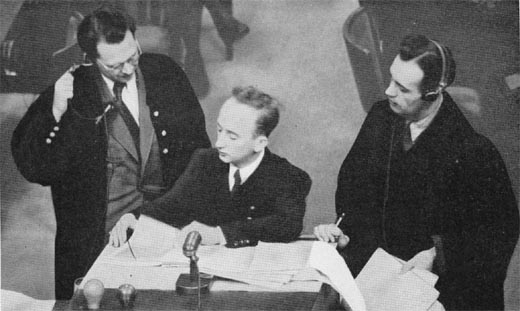
He served as the lead prosecutor for the U.S. Army during the Einsatzgruppen trial, one of the follow-on Nuremberg proceedings after World War II. In that capacity he investigated and brought charges against Nazi units responsible for mass killings across occupied Europe.
How did Ben Ferencz contribute to international law?
Beyond his wartime prosecution work, he spent decades lobbying for the creation of a permanent International Criminal Court. His sustained advocacy helped build the institutional momentum that eventually led to the ICC's establishment.
What was Ben Ferencz's academic career?
He taught international law as an adjunct professor at Pace University, holding that position from 1985 until 1996. The role let him mentor a new generation of lawyers in the field of international criminal justice.
Why is Ben Ferencz important in legal history?
He bridged the gap between post-war ad hoc accountability and the modern system of international criminal justice. His dual legacy as both a wartime prosecutor and a lifelong advocate reshaped how the world approaches trying individuals for crimes against humanity.
More in Legal Scholars And Political Theorists 1-24
Elsewhere in the Legal Scholars And Political Theorists universe
Spotted an error? Know more?
This is a living reference — every entry is fact-audited, and reader corrections feed straight into our audit queue. Suggest an edit · See this site's audit record